Hunting Strategy · Updated July 2026
Ask ten Montana mule deer hunters how to get better at it, and you will get twelve answers. Some say draw a hard-to-get tag and go in once. Some say hunt the same public-land basin for seven seasons in a row. Some say it’s about the rifle. Most say it’s not.
What follows is not a Top 10 list. It is stitched into a single field-ready framework. The goal is simple: help you close the gap between effort and outcome, without turning the hunt into a lottery ticket.
01The state of the resource — why Montana is a different game
The first thing a serious Montana hunter has to internalize is that mule deer in the Northern Rockies are not whitetails. They live in steep, dry, broken country, they move with weather and elevation, and they are far more sensitive to hunting pressure than their eastern cousins. A mature buck may use four to six square miles of terrain in a normal week, and he does it by moving into the wind, bedding on points, and feeding at the edges of light.
Montana Fish, Wildlife & Parks (FWP) has tracked mule deer populations across Montana’s 300+ hunting districts for decades. The honest summary, from the agency’s own reporting, is mixed: some herds are stable, some are declining, and the most coveted trophy units are running well below their long-term averages. The cause is the usual compound — habitat loss, predation, winter severity, and harvest pressure concentrated on a small number of mature bucks.
That last variable is the one hunters can actually move. When the same 4- and 5-year-old bucks get pulled out of a population year after year, the age structure collapses, and what you are left with is a herd of young deer that never learn to act old. State biologists point to this as the single most under-appreciated lever a hunter has: let small bucks walk, and the odds of seeing a big one next year go up for everyone, not just you. The Boone & Crockett Club’s long-running records program makes the same point from the other direction — the score book only goes up when there are older animals in the population to measure.
The five things a new Montana hunter needs to understand
- Mule deer country is steep, dry, and broken — it is not whitetail woods.
- Pressure is the most manipulable variable. Spread out, hunt weekdays, and avoid the road.
- Age structure matters more than antler score. A 4×4 in velvet is a herd investment.
- Public land in Montana is generous, but the “good” public land is overrun on opening weekend.
- Weather moves deer more than calling does. Watch the forecast, not the calendar.
02What “get better” actually means
The traditional question — how do I get a good tag? — is partly a lottery question, and partly an outfitter question. The actual question — how do we get more older bucks on the landscape so that the average tag is more rewarding? — is a process question, and one a DIY public-land hunter can actually contribute to.
The practical implication is straightforward. Three things an individual hunter can do today that move the needle on a district-level population:
1. Pass young bucks
If the buck you are looking at has a 2×2 frame and looks like he just got his first rack, there is a near-certainty he will be a 4×4 next year. Letting him walk is a direct deposit into next season.
2. Hunt the late season
Most public-land pressure is concentrated on the first five days. A hunter willing to be in the mountains the third week of November, when the temperatures drop and the deer are back on south-facing benches, will see different country and different deer than the opener crowd.
3. Hunt weekdays
The same basin that looks like a parking lot on a Saturday opener is often empty on a Tuesday. If you can swing a flexible schedule, that flexibility is worth more than a better scope.
None of this is a guarantee. But it is the consensus path that biologists, reformers, and old-line guides keep arriving at independently, because it is what the data actually shows: opportunity + restraint > lottery.
03The scouting mentality — reading pressure, habitat, and buck patterns
On private-land and walk-in-access parcels — the parts of Montana with the highest buck-to-acre ratio — you cannot just walk in cold. You need to know where the does are in June, where the bucks are in September, and where the two intersect in late October.
 The work happens before the season. A good scout reads sign, patterns, and pressure in June and September, then trusts that pattern in November.
The scouting framework that gets repeated by every Montana outfitter we have talked to has three layers:
Layer 1 — Habitat (June, when access is open)
Find does. The does will be on the easiest food and water available, and where you find does in June, you will find bucks in November. Glass from a distance, do not push in. Mark bedding and feeding separately, on a topo map, with elevation noted.
Layer 2 — Pressure (early September, archery opener)
Walk the ridges. Look for boot traffic, trail-camera pins, and gut piles. The places that show no human traffic by mid-September are the places that will hold the most deer by mid-October. The places that show constant traffic are the places to avoid on opening weekend.
Layer 3 — Pattern (late September, pre-rut)
Find the buck. Find him on a pattern you can predict, then back off and let the season come to you. Most DIY hunters fail here because they find a buck once, push him, and never see him again. The discipline is to find him, mark him, and walk away.
Two tools that change scouting in 2026: a quality rangefinder (so you can call a buck at 800 yards and know whether it is worth a stalk), and a phone-based GPS app that lets you cache points offline. Both are worth the money in the first season alone.
04Picking your window — when to be in the mountains
The decision of when to hunt is a function of two variables: how much time you have, and what kind of buck you are willing to settle for. The conclusion is: no single window is best for everyone.
| Window | Pros | Trade-offs |
|---|---|---|
| Archery (early Sept – mid Oct) | Bucks still on summer pattern; cooler weather; light pressure | Shot distance <30 yd; 5–10% annual success on public land |
| Rifle opener (late Oct) | Peak rut activity; pre-rut bucks still moving | Crowded; 70% of annual pressure concentrated here |
| Rifle mid (early Nov) | Pressure thins; deer on predictable food sources | Weather window shrinks; access can be snow-limited |
| Late season (mid–late Nov) | Almost no pressure; deer on south-facing benches | Cold, short days, possible closures for weather |
For a DIY public-land hunter with a 7- to 10-day window, the highest expected-value strategy is usually the mid-to-late rifle window: it skips the opening-weekend crowds, it lands in the peak of the rut or just after, and it lets the season be a hunt rather than a sprint. For someone with archery experience and a real fitness base, the early archery window is the highest-upside play — but the learning curve is steep, and the average hunter will not close the distance.
05The DIY kit — gear that earns its weight
It is easy to over-index on gear. A 7-day backcountry hunt for mule deer needs three things to work:
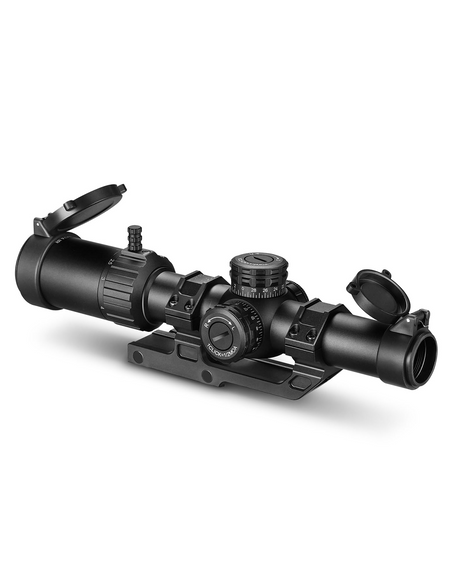
- A reliable, repeatable rifle + scope combo. You do not need a $3,000 custom build. You need a rifle that shoots sub-MOA with factory ammo, a scope that holds zero, and a system that you trust completely at 400 yards.
- A pack + sleep system that gets you 7 miles in and a night out. Weight matters more than features. A 6-pound pack with a 60-liter frame will carry more, more comfortably, than a 9-pound pack with a built-in camera pouch.
- A glassing kit — binoculars and a rangefinder. Spotting a buck at a mile means nothing if you cannot call his distance. A 10×42 binocular and a 1,000-yard rangefinder is the modern minimum for serious western hunting.
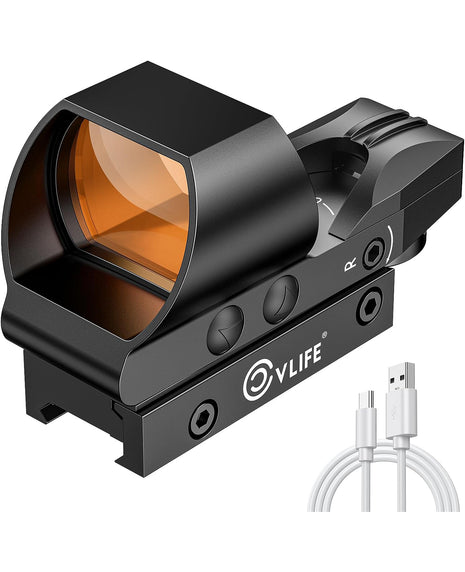
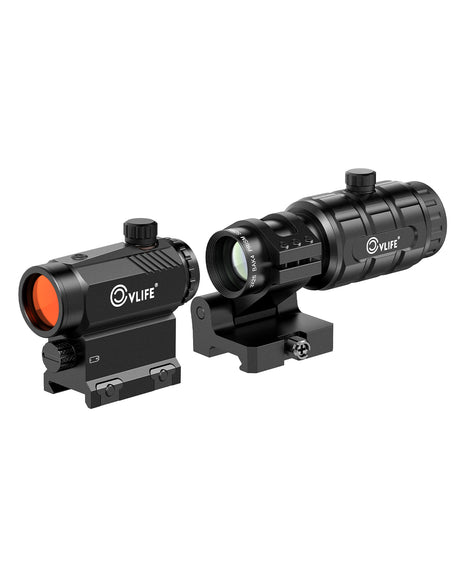
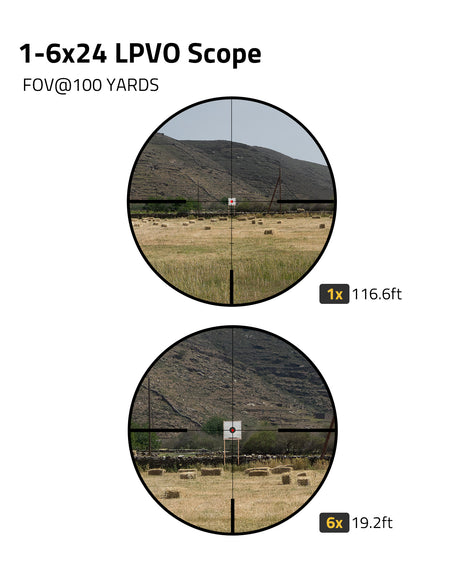
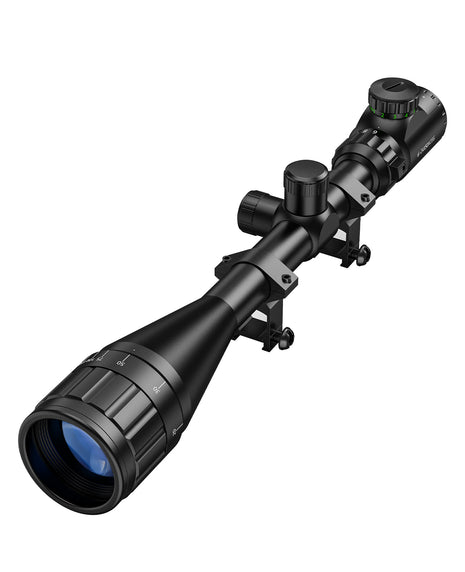
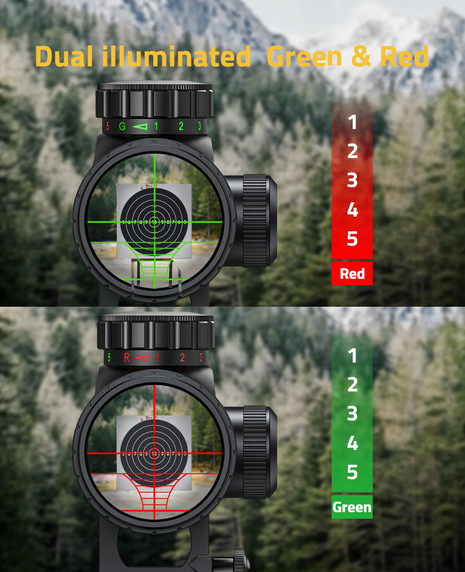
The gear question worth a few extra dollars in 2026 is optics. A scope that tracks, holds zero, and has a clean illuminated reticle at first and last light will save you more bucks than a hand-laid carbon-fiber stock.
06Your 2026 plan — putting it all together
If you only have time to do a few things this year, do these:
- Pick a district you can scout twice — once in June (habitat), once in early September (pattern). Realistic access is more important than a trophy unit.
- Decide your window — mid-to-late rifle season for the highest expected value, or archery for the highest upside. Build your time off around that, not the other way around.
- Pass young bucks. Every year. Even when the day is going sideways. The data is unambiguous: restraint compounds across a population.
- Get your optics right — a scope that tracks and holds zero, a binocular that pulls light, a rangefinder that calls distance. These three tools, working together, will be worth more than any other piece of gear in your pack.
- Walk further than the next person. The single biggest predictor of a successful public-land mule deer hunt is how far you are willing to walk from the trailhead. Two miles of effort removes 80% of the competition.
Montana mule deer hunting is not a numbers game. It is a process game, played out across years, in country that does not give up its secrets cheaply. The hunters who do it well — and there are a lot of them, more than the internet suggests — are the ones who treat the season as a system, not a sprint. Build the system. Show up. Let the bucks come to you.
07Frequently asked questions
Is most mule deer country in Montana public land?
Roughly 60–65% of Montana is publicly accessible: National Forest, BLM, state land, and some private land enrolled in walk-in access programs. The remaining 35–40% is private, and the largest bucks often live on the boundaries. Being willing to knock on doors and lease access is a major advantage, but it is not required to be successful.
What rifle caliber is best for Montana mule deer?
A flat-shooting 6.5 Creedmoor, .28 Nosler, .270 Win, .30-06, 7mm-08, or .300 Win Mag covers virtually every realistic shot a hunter will take in the Montana Rockies (under 500 yards). For backcountry hunters who value weight savings, a 6.5 PRC or 7mm-08 in a short-action is hard to beat.
How far in advance should I scout before the season?
For DIY public-land hunters, two scouting trips — one in late spring/early summer (mid-June) to read habitat and locate does, and one in early fall (late August to mid-September) to find buck sign and patterns — covers the critical learning. If you only have one trip, go in early fall when the bucks are on pattern and water is concentrated.
Should I hunt archery or rifle season for mule deer?
Rifle season offers the highest odds for a DIY public-land hunter because pressure is more evenly distributed across the season and the weapon forgives longer shots and tougher angles. Archery season is a different game — earlier dates mean pre-rut bucks are still on predictable summer patterns, but shot opportunities are typically 30 yards and in, not 200.
What gear upgrades actually matter for backcountry mule deer hunting?
Three things earn their weight: a reliable long-range scope with proven tracking and zero-retention, a lightweight pack system that distributes weight over your hips, and a quality rangefinder.