


Featured collection
-
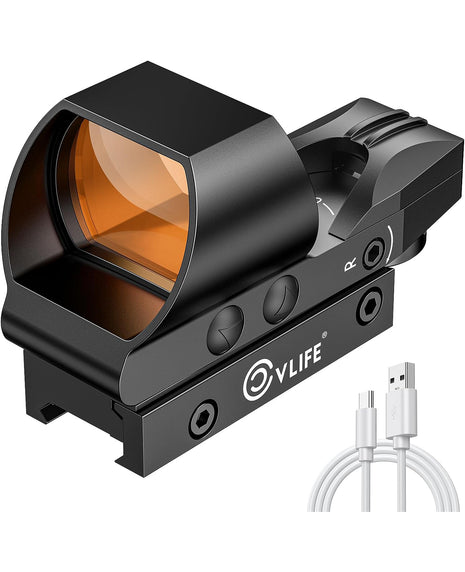
-
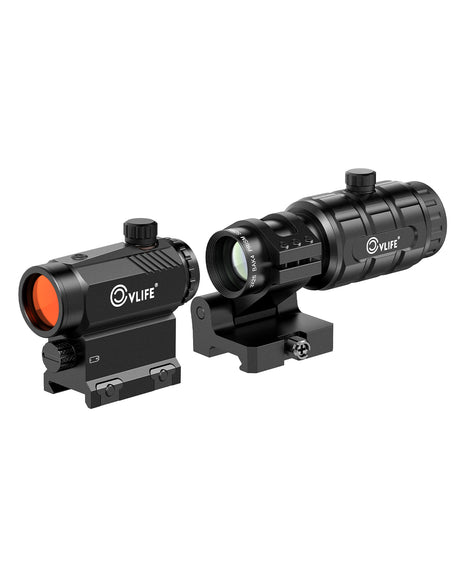
$159.99 $136.79
-
-
$59.99

En el panorama moderno del tiro con rifle de precisión, la óptica variable de baja potencia (LPVO) ha trascendido sus orígenes como herramienta de combate a corta distancia (CQC). Los tiradores llevan cada vez más estas ópticas a distancias de 500, 600 e incluso 800 yardas. Sin embargo, lograr impactos constantes a distancia con una LPVO no depende únicamente del equipo, sino de comprender la física fundamental de la óptica y las compensaciones inherentes a su diseño.
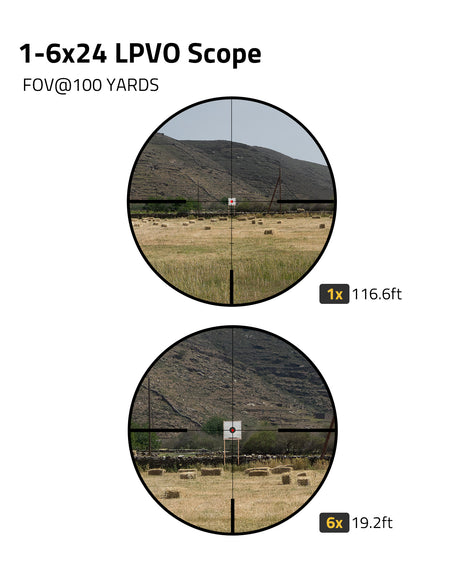
Para dominar el LPVO, primero hay que aceptar el "triángulo imposible" de la ingeniería óptica: el conflicto entre el campo de visión (FOV), el cajón ocular y el aumento. Cuando aumentas un visor de 1x a 10x, estás modificando fundamentalmente el flujo óptico del sistema.
El principal factor limitante para la claridad a larga distancia es la pupila de salida, es decir, el tamaño del haz de luz que sale del ocular. Se calcula dividiendo el diámetro de la lente objetivo (por ejemplo, 24 mm) entre el aumento (por ejemplo, 8x). A 10x, la pupila de salida es de apenas 2,4 mm. Si tu ojo no está perfectamente alineado (apoyo de la mejilla), la imagen se vuelve negra. Comprender esto te permite controlar con precisión la posición de la cabeza durante los disparos con gran aumento, en lugar de culpar a la óptica.
El debate entre el primer plano focal (FFP) y el segundo plano focal (SFP) tiene menos que ver con la "superioridad" y más con tu proceso cognitivo bajo estrés.
|
|
SFP
|
| Variable | Impacto a larga distancia |
|---|---|
| Paralaje | La mayoría de los LPVO están calibrados a 100 yardas. A más de 500 yardas, el movimiento de la cabeza provoca errores. Mantén una consistencia absoluta en la posición del ojo. |
| Altura del montaje | Un visor montado demasiado alto te obliga a «flotar» la mejilla, con lo que pierdes el apoyo óseo necesario para la precisión. |
| Nivelación | Incluso una inclinación de 1 grado a 500 yardas provoca una desviación lateral. Un nivel de burbuja es esencial. |
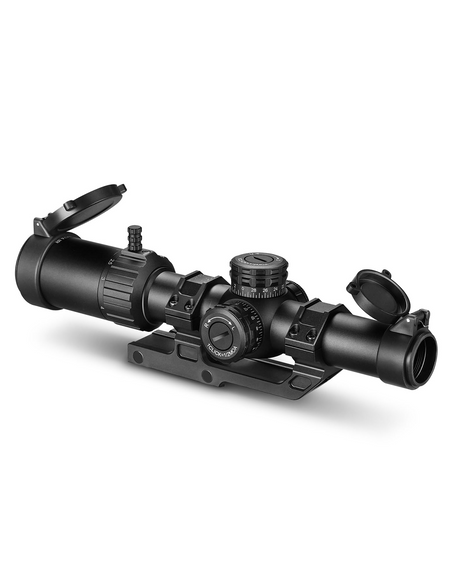
Para quienes buscan construir una plataforma fiable, el CVLIFE EagleTalon 1-6x24 sirve como referencia para comprender estos mecanismos. Ofrece la claridad óptica necesaria para salvar la distancia entre el tiro intermedio y el tiro de precisión, y permite a los usuarios aprender los fundamentos de las correcciones de deriva y elevación.
No necesariamente. Aunque un aumento mayor ayuda a identificar el objetivo, reduce la pupila de salida, lo que dificulta el uso del visor. Un visor de 6x de alta calidad y con mayor claridad de imagen suele ser más eficaz que un visor de 10x de menor calidad. Sin embargo, un LPVO de 1-10x sigue ofreciendo mayor versatilidad a los tiradores que necesitan tanto enfrentamientos rápidos a corta distancia como mayor precisión a distancias extendidas.
Sí, siempre que entiendas que las subtensiones de tu retícula solo son precisas con un aumento específico (normalmente, el máximo). Asegúrate de que tus datos balísticos estén calibrados para ese ajuste.
$159.99 $136.79
$59.99


