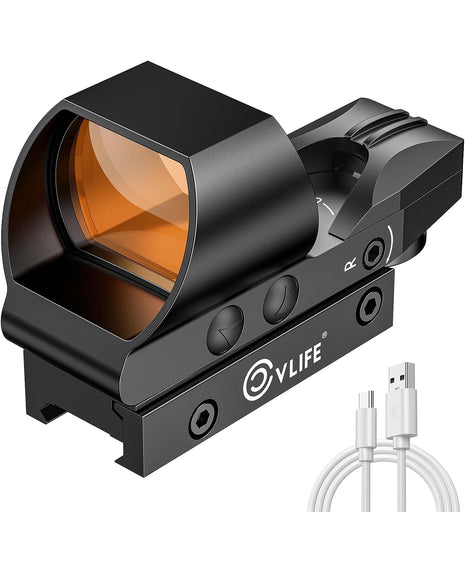
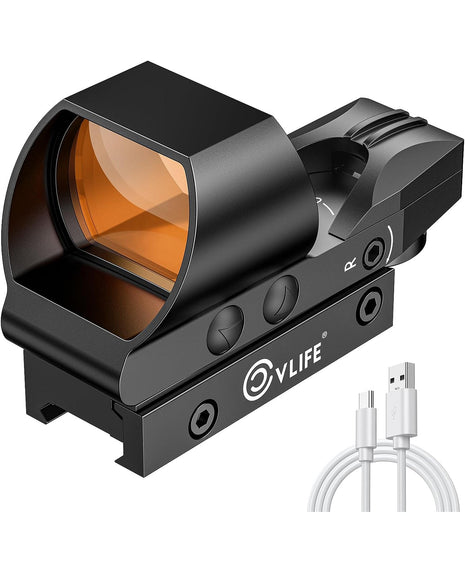
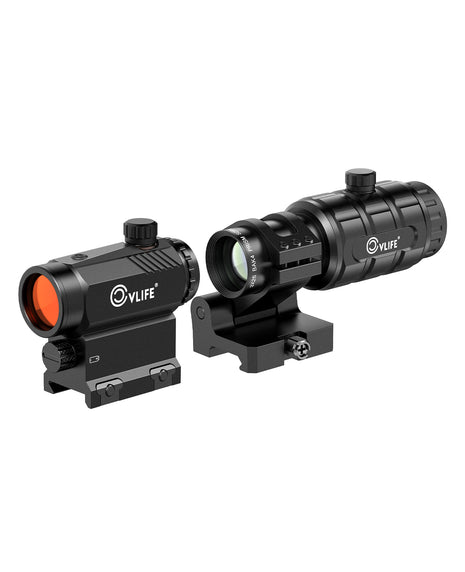
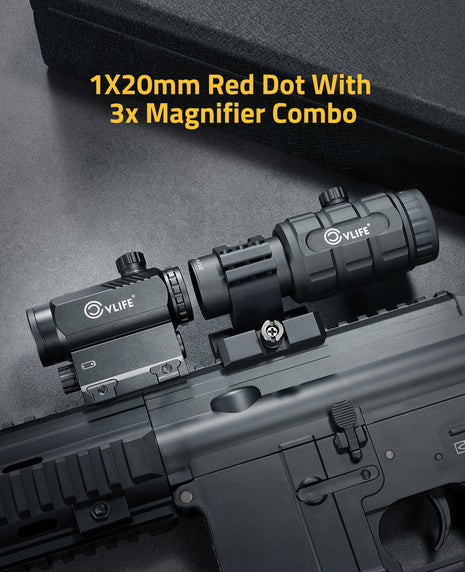
A lever action rifle is a repeating rifle in which the shooter cycles a tubular magazine under the barrel by moving a finger lever down and back up. The mechanism has been in continuous production since 1860 and is still being redesigned: the 2023 Henry Lever Action Supreme, Ruger's resumption of Marlin production, and Chiappa's modern Side-by-Side lever concept all run on the same kinematic frame that Benjamin Tyler Henry patented 165 years ago.
Key takeaways
- The family has four use cases: hunting brush-country deer and elk, sport-league cast bullet shooting at 200–300 yards, home defense with a 9mm or .357 magazine, and historical collection. The right model aligns with one of those roles, not all of them.
- Five American and European brand families carry the 2026 market: Henry Repeating Arms, Winchester Repeating Arms, Marlin (Ruger-owned), Rossi, and Chiappa. Each offers a different caliber spread and lever feel.
- Calibers split into three groups. Traditional big-game: .30-30 Winchester, .35 Remington, .45-70 Government. Modern defensive/lever-action-cross-over: 9mm Luger, .357 Magnum, .45 Colt. Specialty/lever-suppressor: .44 Magnum, .327 Federal Magnum.
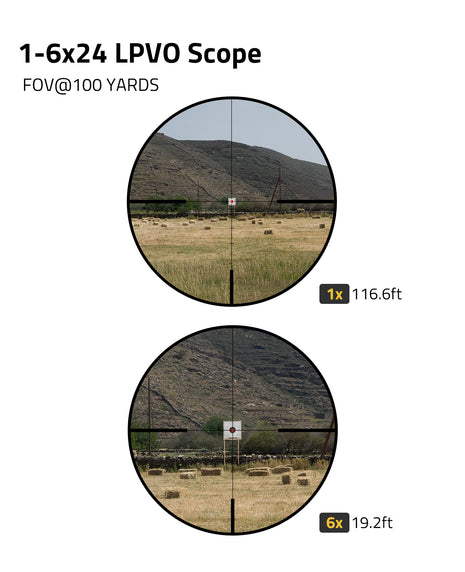
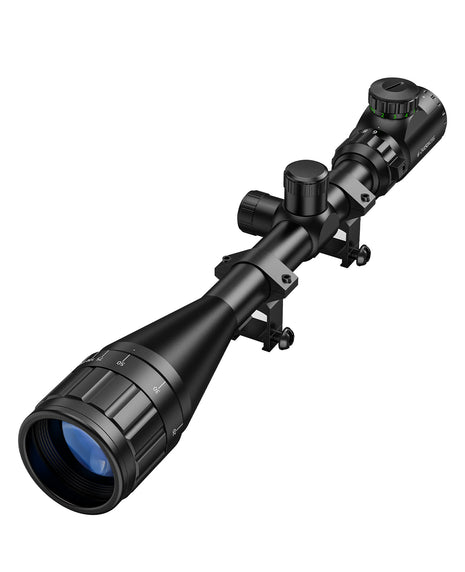
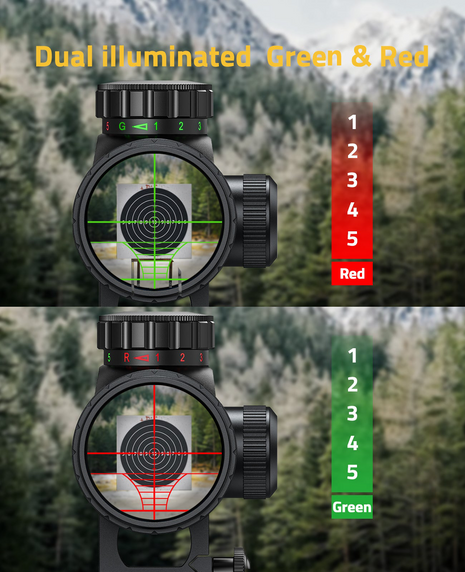
- Most modern lever actions fit a forward-mounted or offset scope ring set; a center-receiver scope ring set interferes with the side ejection path of all but the Henry Lever Action Supreme.
- 2026 also brought Ruger's full Marlin production back online, increasing the supply of .357 Magnum and .44 Magnum tube-fed rifles at the same price band as the previous decade's Henry offerings.
Quick answer
If you're choosing a first lever action for general purpose use, the Henry X Model or Henry Lever Action Supreme in .30-30 or .357 Magnum is the consensus starting point. That recommendation covers roughly eighty percent of the lift from "first-time buyer" to "rifle that the shooter trusts for hunting and range work without model-specific redeveloping". Choose by caliber first, brand second, finish third.
Table of contents
Key terms
- Lever action
- A repeating-rifle action in which a finger lever cycles a tubular magazine under the barrel.
- Loading gate
- A spring-loaded port on the side of the receiver through which cartridges are loaded into the magazine.
- Tube magazine
- A tubular magazine under the barrel that holds cartridges end-to-end in a single row.
- Side ejection
- Pattern where spent cases eject from the side of the receiver; requires offset or forward optic mounting.
- Brush country
- Heavy-vegetation terrain where the shooter's line of sight is short; the lever action family originated for this environment.
- Hornady LEVERevolution
- Ballistic-tip ammunition released in 2006 that stabilised pointed bullets from tubular magazines using a soft polymer tip.
From the 1860 Henry to the 2023 Lever Action Supreme
The lever action family is the longest-running firearm design in continuous production. Understanding the lineage explains why modern rifles cycle cartridges the way they do.
Five brand families in the 2026 market
The current lever action market is concentrated in five families. Each ships a different caliber spread and lever feel.
| Brand family | Origin | Caliber spread (2026) | Distinctive feature |
|---|---|---|---|
| Henry Repeating Arms | Bayonne, NJ / Rice Lake, WI | .22 LR, .22 Magnum, .17 HMR, .30-30, .357 Magnum, .44 Magnum, .45-70, .410 / .45 Colt | Continuous American production; brass receiver color options on select models. |
| Winchester Repeating Arms | New Haven, CT (legacy) / Morgan, UT (current) | .30-30, .357 Magnum, .44 Magnum, .45-70 | Reintroduced Model 1873 and Model 1894 lines post-2008 restart. |
| Marlin (Ruger-owned) | North Haven, CT (legacy) / Mayodan, NC (current) | .30-30, .357 Magnum, .44 Magnum, .45-70 | Side-eject receiver; Ruger re-launch in 2023 added American-made steel receivers. |
| Rossi | Brazil, importer-distributed in the US | .357 Magnum, .44 Magnum, .454 Casull, .410 / .45 Colt | Value-priced; traditional barrel-and-tube geometry. |
| Chiappa | Brescia, Italy | .30-30, .357 Magnum, .44 Magnum, .45-70, .410 / .45 Colt | Modern variants including the lever-action conversion for AR-platform rifles. |
Caliber families and what each fits
Three caliber clusters cover most of the lever-action use cases. Pick the cluster first; the model choice narrows after.
| Caliber cluster | Representative cartridges | Best fit | Effective range |
|---|---|---|---|
| Traditional big-game | .30-30 Winchester, .35 Remington, .45-70 Government | Brush-country deer, black bear, elk-class at short range | 150–250 yards |
| Defensive / lever-action cross-over | 9mm Luger, .357 Magnum, .45 Colt, .44 Special | Home defense, range training, lever-action cross-over fun | 50–150 yards |
| Specialty / suppressor-friendly | .44 Magnum, .327 Federal Magnum, .357 Magnum (threaded) | Handgun-caliber training with reduced recoil and threaded-barrel sound suppressors | 100–200 yards |
The 9mm Luger lever action category took off in 2023 when Henry introduced the Lever Action Supreme in 9mm. The advantage over a 9mm pistol is that the rifle's stock and sight plane deliver fast follow-up shots; the disadvantage is magazine length difference — lever actions usually come with shorter magazines than 9mm pistol magazines, so the rifle-specific magwell has to be considered before purchasing parts.
Mounting an optic on a lever action
Most lever actions eject spent cases from the side of the receiver. A center-receiver scope ring set collides with the ejection path. Three solutions exist:
- Offset scout scope mount — places the optic forward of the receiver, leaving the ejection path clear. Works on most lever-action models with a forward rail.
- Side-eject receiver adaptation — Marlin 336 series and Henry Lever Action Supreme use a side-eject receiver that moves ejection downward; on these, a standard center-receiver scope ring set works.
- Reciprocating optic mount — a small base that flips the optic up and out of the ejection path on each shot; specialty part, not common.
Four use cases, matched to model
The lever action family suits four roles. Each picks a different model.
- Brush-country deer hunting. A Marlin 336 in .30-30 Winchester or Henry Lever Action Supreme in .30-30 is the consensus match. Both pair with Hornady LEVERevolution ammunition for higher BC and flatter trajectory.
- Range sport and cast-bullet loading. A Henry Lever Action Supreme in .357 Magnum lets the shooter cast bullets from the same lever-action platform used for plinking and competition.
- Home defense with reduced recoil. A Henry or Chiappa lever action in 9mm gives a low-recoil option that shares magazine geometry with a 9mm pistol, simplifying training.
- Historical collection. The 1860 Henry originals and Winchester 1873 originals are auction-house territory; modern reproductions of both are available from Uberti (Italy) and Cimarron (Texas) for shooters who want the appearance without the auction price.
Cleaning and tube-magazine caveats
Lever actions require two extra steps relative to bolt-action or semi-automatic rifles:
- Tube-magazine cleaning — the magazine tube on most lever actions must be removed before cleaning the bore. The Marlin 336 has a quick-release magazine tube; the Henry Lever Action Supreme uses an integrated tube that requires partial disassembly.
- Action lubrication — the lever pivot, hammer, and loading gate need a light coat of gun oil after every cleaning. Lever actions that dry out develop a gritty lever feel that interferes with rapid cycling.
Frequently asked questions
What is the best caliber for a lever action rifle?
The answer depends on the use case. .30-30 Winchester is the default brush-country deer caliber and the historical benchmark. .357 Magnum and 9mm versions feed from the same magazine and reduce the training curve for shooters who already own a revolver or pistol of the same caliber. .45-70 Government drops large bullets at brush-range for elk-class game.
Are lever action rifles accurate enough for hunting?
Modern lever actions from Henry, Winchester, and Marlin produce 1.5–3 MOA five-shot groups with factory ammunition, which is sufficient for hunting at reasonable range. Match-tuned lever actions can hold sub-MOA but require hand-fitting and aftermarket ammunition.
What is the difference between the Henry Lever Action Supreme and the original Henry rifle?
The Henry Lever Action Supreme, released 2023, adds a top-loading gate, threaded barrel for sound suppressors, and interchangeable magazine options. The 1860 original introduced the loading gate concept but used a separate tubular magazine under the barrel. The Supreme adapts the original concept to modern rifle ergonomics without changing the lever geometry that defines the family.
Can a lever action rifle use a standard scope ring mount?
Most lever actions eject spent cartridges through a side loading gate and require either an offset scout scope mount or a forward-receiver mounting system. A traditional mid-receiver scope ring set interferes with ejection on most models.
Which brand makes the most reliable modern lever action?
Henry Repeating Arms is widely cited by historical-firearms writers for reliability; Winchester Repeating Arms has rebuilt its production line after a 2008 bankruptcy and restart; Marlin is now owned by Ruger and resumed full production in 2023; Rossi and Chiappa offer value-priced import options.