
Featured collection
-
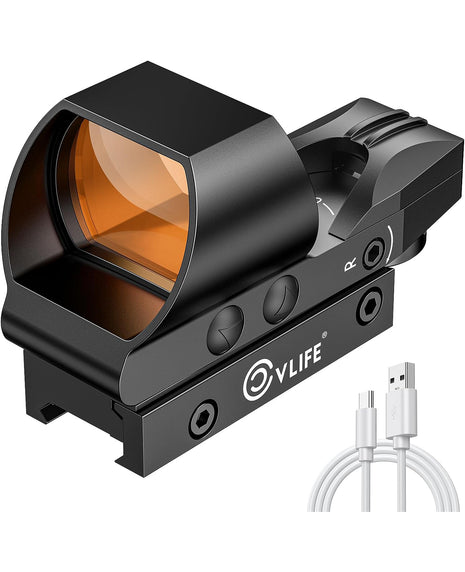
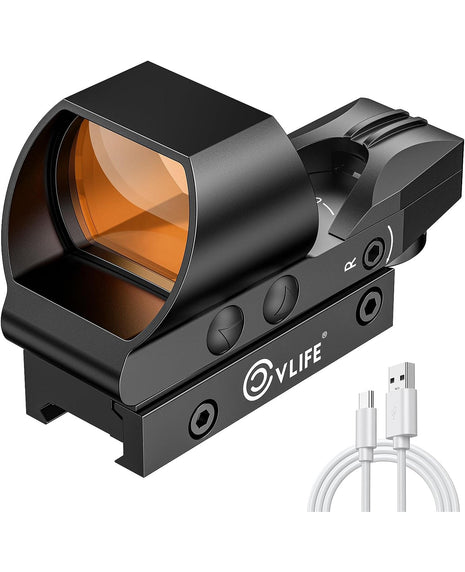
-
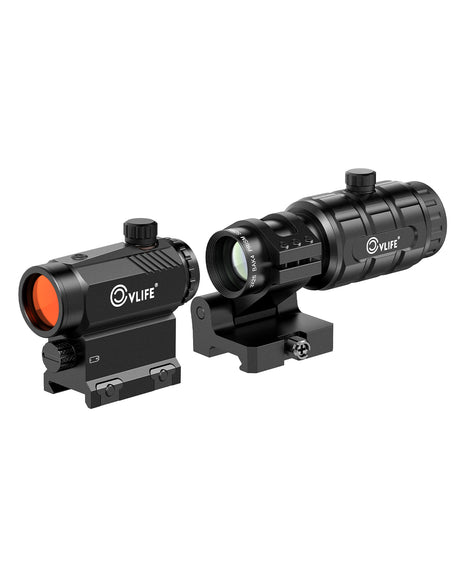
$159.99 $136.79
-
-
$59.99

Struggling to choose between a red dot sight and LPVO? Learn key differences in shooting speed, effective range, and use cases to pick the perfect optic for pistols, shotguns, tactical carbines, and hunting rifles.
Building a reliable rifle optic setup always leads to one critical question: should you run a red dot sight or an LPVO (Low Power Variable Optic)? Both optics are top-tier choices for modern tactical and hunting rifle builds, but they excel in completely different scenarios. Choosing the wrong one can slow down target acquisition, limit effective shooting range, or leave you over-equipped for your actual use case.
Most shooters choose optics based on appearance or trending builds, without matching core optic performance to their firearm type and shooting scenarios. This mistake leads to slower aiming, wasted precision, unnecessary weight, and poor shooting experience. In this fully updated guide, we focus 100% on practical selection logic, core performance tradeoffs, and firearm-specific optic matching. You will learn exactly when to pick a red dot, when to pick an LPVO, and which optic works best for pistols, shotguns, short-barreled rifles, tactical carbines, and hunting rifles.
Red dot sights are designed for close-to-medium range fast shooting. With 1x unlimited eye relief and zero magnification, you can keep both eyes open, acquire targets instantly, and engage moving threats in seconds. This makes red dots unbeatable for CQB (close-quarters battle), indoor home defense, and fast-paced range drills within 0–100 yards.
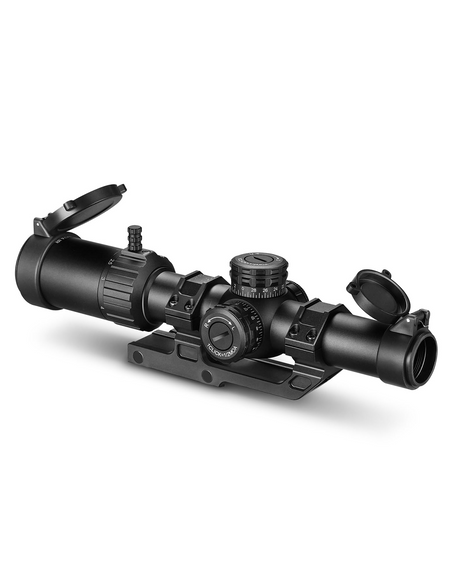
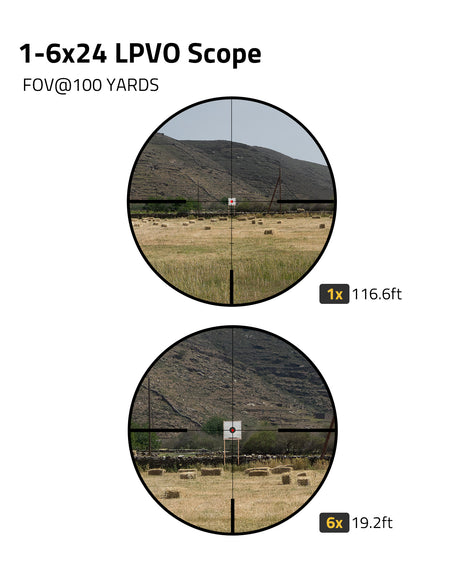
LPVOs typically feature a 1–4x, 1–6x, or 1–8x variable magnification range. At 1x low power, they mimic red dot speed for close-range engagements. When cranked up to higher magnification, they deliver crisp, precise aiming for mid-range targets from 100 to 300+ yards. This dual-mode performance makes LPVOs ideal for hunting, outdoor long-range practice, and multi-distance shooting scenarios.
Eye relief and parallax are two easily overlooked factors that greatly affect shooting comfort and accuracy.
Red dot sights offer unlimited eye relief and parallax-free viewing. No matter where your eye is positioned, the red dot stays aligned with your zero point. You never need to adjust head position strictly, which drastically reduces shooting fatigue and speeds up follow-up shots.
LPVOs have fixed eye relief and minimal parallax at low magnification. However, at higher zoom levels, slight head movement can cause view shift and minor parallax deviation. They require more consistent cheek weld and head positioning, trading pure speed for enhanced precision.
Both high-quality red dots and LPVOs hold zero well with proper installation, but their zeroing logic differs. Red dots feature simple windage and elevation adjustment, allowing fast zero reset for daily training. LPVOs come with precise turret adjustments, supporting fine-tuning for long-distance ballistic compensation.
For dynamic, high-recoil rapid fire, lightweight red dots reduce overall rifle weight and maintain stable aiming. For stationary precision shooting, LPVOs deliver far more reliable shot placement on small or distant targets.

Before matching optics to your firearm, master these four universal rules. These rules eliminate guesswork and apply to every gun platform and shooting discipline.
Rule 1: Judge by Primary Engagement Distance
All close-quarters scenarios rely on speed and situational awareness. Red dots deliver true 1x zero-magnification aiming, unlimited eye relief, and instant target acquisition. No head positioning discipline is required, making them faster than LPVOs for fast-moving, close-range threats.
Beyond 100 yards, tiny target details, small vital zones, and range deviation demand magnification. LPVOs switch from 1x speed mode to 4x/6x/8x precision mode, letting shooters identify targets, correct holdover, and achieve consistent tight groupings that red dots cannot deliver.
Rule 2: Judge by Firearm Weight & Platform Size
Micro pistols, compact carry guns, short-barreled rifles (SBR), and tactical shotguns are built for mobility. LPVOs add significant front weight, ruin balance, slow down draw and swing speed, and cause shooter fatigue during prolonged carrying or maneuvering.
Full-length tactical carbines and bolt-action hunting rifles have rigid, stable chassis and balanced weight distribution. They absorb LPVO extra weight without sacrificing handling, allowing shooters to leverage magnified precision.
Rule 3: Judge by Shooting Style & Discipline
Home defense, fast range drills, 3-gun close stages, and everyday tactical readiness require split-second reactions. Red dots eliminate aiming delay and support both-eyes-open situational awareness.
Field hunting, long-range recreational shooting, multi-stage competition, and terrain-variable outdoor shooting demand flexible magnification to adapt to unpredictable target distances.
Red dots have zero learning curve, no parallax management, no strict cheek weld requirements, and simple turret adjustment. They build fundamental aiming confidence faster.
LPVOs train consistent head positioning, parallax management, and holdover compensation, improving overall marksmanship for long-term skill progression.
Below is a definitive, gun-by-gun selection guide. Every recommendation follows the four core rules above, helping you match the perfect optic to your exact firearm model and purpose.
Final Verdict: Always Choose Red Dot Sights
LPVOs are not compatible for pistol use. Handguns rely on fast instinctive aiming, compact dimensions, and lightweight carry capability. LPVOs are too heavy, bulky, and require fixed eye relief — making them impossible for pistol manipulation, concealed carry, or fast reactive shooting.
Best For: Glock MOS Series, Sig P320/P365, Springfield Hellcat, Canik TP9, Taurus TORO, and all optics-ready carry pistols.
Why it works: Micro red dots maintain pistol balance, support rapid target acquisition, and withstand violent slide recoil, perfectly matching EDC and defensive pistol requirements.
Final Verdict: Stick Exclusively to Red Dots
Shotgun engagements are almost always within 0–80 yards, focused on fast target tracking for clay, bird hunting, or home defense threats. Shot spread patterns do not require magnified precision. LPVO magnification creates unnecessary tunnel vision and slows down fast swinging tracking for moving targets.
Best For: Pump-action tactical shotguns, semi-auto hunting shotguns, defense-grade 12GA platforms.
Final Verdict: Red Dot Primary / Red Dot + Magnifier Secondary
SBR and PCC platforms feature short barrels, compact overall length, and are designed for close-quarters maneuvering. Adding an LPVO creates front-heavy imbalance, reduces swing speed, and negates the platform’s core mobility advantage. Their effective shooting range rarely exceeds 100 yards, so LPVO magnification provides zero practical benefit.
Final Verdict: Dual Optional — Red Dot for Speed, LPVO for Versatility
Full-size carbines are the only truly flexible platform. If you use your rifle mainly for home defense and close-range training, a red dot is lighter and faster. If you regularly shoot outdoor variable distances, field train, or hunt medium game, an LPVO delivers superior multi-range performance.
Final Verdict: LPVO Strongly Recommended
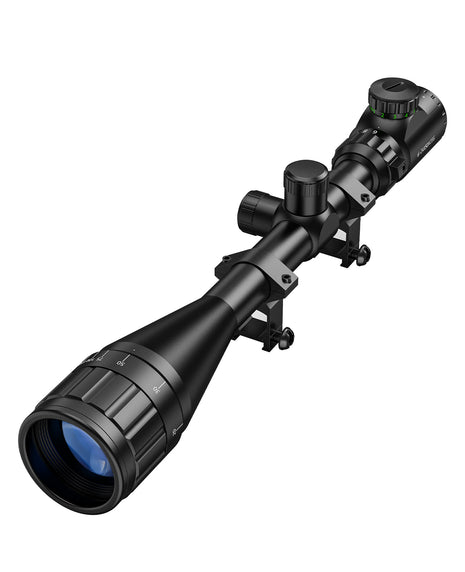
Hunting scenarios involve unpredictable distances, small vital target zones, and outdoor terrain obstacles. Red dots lack the magnification to identify target details and place precise shots at 150–300+ yards. LPVOs’ variable zoom adapts perfectly for woodland close encounters and open-field long-range precision hunting.

Many shooters confuse these two hybrid setups, but their use cases are distinctly different:
Red Dot + Flip Magnifier
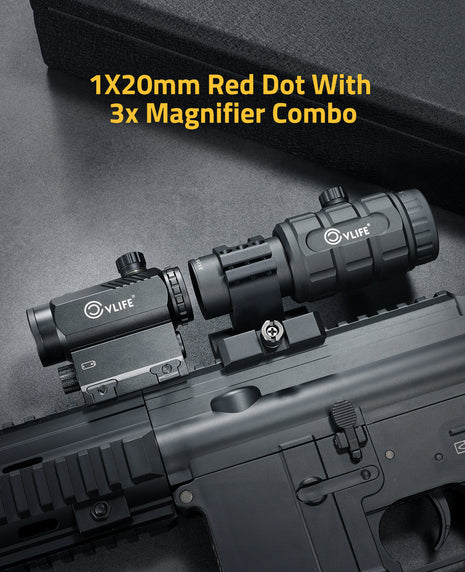
Best for shooters who prioritize light weight and pure close-range speed first. The magnifier is only used occasionally for mid-range targets and can be flipped out of sight instantly. This setup retains the core lightweight, fast-handling advantage of a red dot, with optional magnification on demand.
Standalone LPVO
Best for shooters who need constant multi-range versatility. LPVO offers smoother magnification transition, clearer high-magnification glass quality, and more precise turret adjustment than add-on magnifiers. It is a permanent all-in-one solution rather than a modular add-on.
All Optics-Ready Pistols / EDC Carry: Red Dot (Non-Negotiable)
Tactical/ Hunting Shotguns: Red Dot for Fast Target Tracking
SBR / PCC Compact Carbines: Red Dot or Red Dot + Magnifier Combo
Full-Size Tactical Carbines (Dual Use): Red Dot (Defense) / LPVO (Outdoor Training)
Bolt-Action Hunting Rifles: LPVO for Long-Range Precision
There is no universal "best" optic — only the best match for your firearm type, effective shooting range, and primary use case. Red dots excel at lightweight, fast reactive shooting for compact platforms, defense, and close-range training. LPVOs dominate multi-distance versatility and precision for full-size rifles and outdoor hunting.
By following the distance, platform weight, shooting style, and skill-level rules above, you can eliminate trial-and-error and select the ideal optic for any firearm in your collection.
No matter which setup you choose, pairing your optic with reliable scope rings and tactical flashlights completes a stable, high-performance rifle build. CVLIFE provides full-series red dots, LPVO scopes, mounting accessories, and tactical lights to meet all your rifle upgrading needs for defense, training, and hunting.
$159.99 $136.79
$59.99


