
Featured collection
-
-
$159.99 $136.79
-
-
$59.99

The most common reason hunts fail isn't bad shooting or poor gear — it's noise. Unlike scent or silhouette, sound doesn't need wind or line of sight to give you away. Four details matter most: choose soft, quiet fabrics over stiff nylon and silence zippers and buckles; walk with deliberate steps, ball-first and slow, avoiding dry branches; pack gear so nothing clinks or rattles; and control your breathing and movements in close, isolated motions. Before the season, do a noise test at home — full outfit, loaded pack, rifle in hand — and eliminate every sound you find. Quiet in the field isn't talent. It's preparation.
The most common reason hunts fail isn't bad shooting or poor gear — it's noise.
You might think you're moving quietly. But a deer can hear your zipper from thirty yards, a snapped twig from fifty, the rustle of your jacket when you shift position. These sounds seem trivial to us. To game, every one of them says the same thing: someone's here.
This article isn't about theory. It's about a few practical details that actually keep you quiet in the field.
A lot of hunters focus on scent control and staying hidden, but underestimate sound.
Here's why: scent needs wind to travel. A silhouette needs line of sight. Sound needs neither. You can be downwind, in full camo, completely hidden behind brush — and still blow your cover with one careless noise.
And a deer's hearing range is wider than ours. They pick up higher frequencies. They can pinpoint direction and distance. A dry twig snapping under your boot sounds to them like a gunshot.

This is the most overlooked noise source.
Hard fabrics — like the stiff nylon found on a lot of budget hunting jackets — make obvious friction sounds when you move. Shift your weight in a treestand, raise your rifle, and that rustle carries.
The fix: Choose soft, brushed fabrics like fleece or softshell for your outer layer. If budget is tight, at least make sure your outermost layer isn't stiff nylon. Before the season, put the jacket on at home and run through a few shooting motions. Listen for what the fabric is telling the world.
Zippers and buckles are noise sources too. Metal zipper pulls clink together. Plastic buckles snap. Wrap zipper pulls in tape or swap them for fabric pulls — it's the cheapest fix in hunting.
Walking quietly in the field isn't about "trying to be light." It's a technique.
Where to step: Soft dirt, moss, thick leaf litter. Avoid dry branches, loose gravel, frosted grass. If a stretch of ground is covered in deadfall, go around it. Don't gamble on stepping over it.
How to step: Land on the ball of your foot first, then roll your weight forward gradually. This makes contact progressive instead of sudden. Most people walk heel-first. That's a bad habit in the field.
How fast: Slow. A few steps, then stop and listen. This isn't just about staying quiet — it's scouting. You might hear game moving, or another hunter, in those pauses.

Gear knocking against gear is another common giveaway.
Metal on metal: Water bottles, tripods, spare magazines, knives — if they're loose in the same compartment, they'll clink with every step. Use cloth pouches or separate them with clothing.
Loose hardware: Strap buckles, belt attachments, even your rifle sling swivel can make noise as you move. Put your pack on before you leave and jump a couple of times. Listen for what rattles.
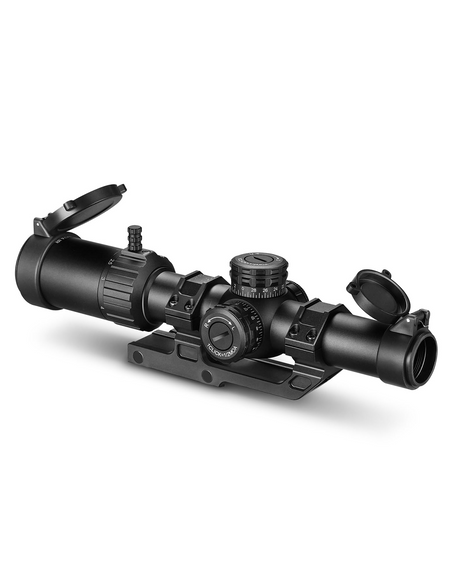
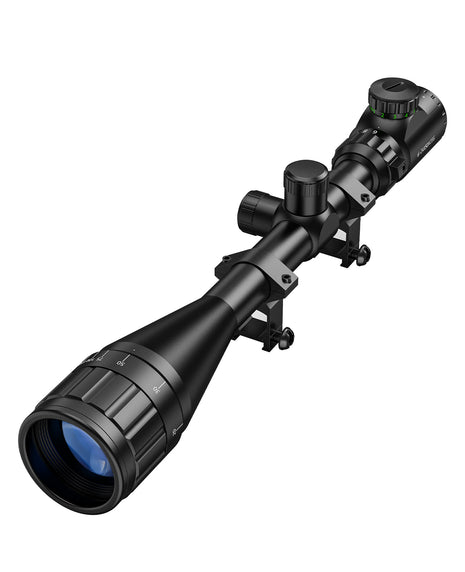
Scope caps and turrets: If you're running flip-up lens caps, check that they don't pop open on their own when you raise the rifle. And confirm your scope turrets are locked down so they don't click as the rifle shifts.
This one is subtler but matters just as much.
When you're closing in on game, control your breathing rhythm to reduce noise. Not by holding your breath — by making each breath deeper and slower. Short, shallow breathing carries in a quiet woods.
When adjusting your position, make one small movement at a time. Pause. Observe. Then move again. If you're going from sitting to kneeling, don't do it in one motion — break it into two or three steps with pauses in between. If one step makes a small sound, it stays isolated instead of blending into a continuous rustle that alerts everything within earshot.
At home, do a noise test: put on your full hunting outfit, load your pack, pick up your rifle, and run through typical field movements in a quiet room — walking, crouching, raising the rifle, sitting, standing.
You'll hear things you normally ignore: zipper pulls swinging, fabric rubbing, gear shifting. Track each sound down and fix it. That's one more advantage you've built before opening day.
Quiet in the field isn't a talent. It's preparation.
$159.99 $136.79
$59.99


