
Featured collection
-
-
$159.99 $141.99
-
-
$70.19

Im Bereich des Präzisionsschießens ist die mechanische Zuverlässigkeit Ihrer Türme ebenso wichtig wie die Klarheit Ihrer Optik. Im Jahr 2026 bleibt die Nachfrage nach MOA-Einstellungen unter nordamerikanischen Jägern und Sportschützen, die intuitive, zollbasierte Berechnungen bevorzugen, weiterhin dominant. Zu verstehen, wie man diese Einstellungen optimal nutzt, kann den Unterschied zwischen einer sauberen Erlegung und einer verpassten Gelegenheit ausmachen.
Minute of Angle (MOA) ist eine Winkelmessung, die 1/60 eines einzelnen Grades entspricht. In der Praxis des Schießens entspricht 1 MOA auf 100 Yards 1,047 Zoll. Dieses lineare Verhältnis skaliert vorhersehbar: 1 MOA entspricht ungefähr 2 Zoll auf 200 Yards, 5 Zoll auf 500 Yards und so weiter.
Während viele professionelle taktische Schützen zu Milliradiant (MIL) tendieren, bleibt MOA die bevorzugte Wahl für diejenigen, die an das imperiale Maßsystem gewöhnt sind. Die Logik „ein Zoll auf hundert“ reduziert die kognitive Belastung bei Jagdsituationen unter hohem Druck erheblich.
Präzision erfordert einen systematischen Umgang mit Ihren Verstelltürmen. Befolgen Sie diese Schritte für eine zuverlässige Verstellung:
Die Auswahl eines Zielfernrohrs mit MOA-Verstellung erfordert einen Blick über das Datenblatt hinaus. Eine präzise mechanische Verstellung ist entscheidend.

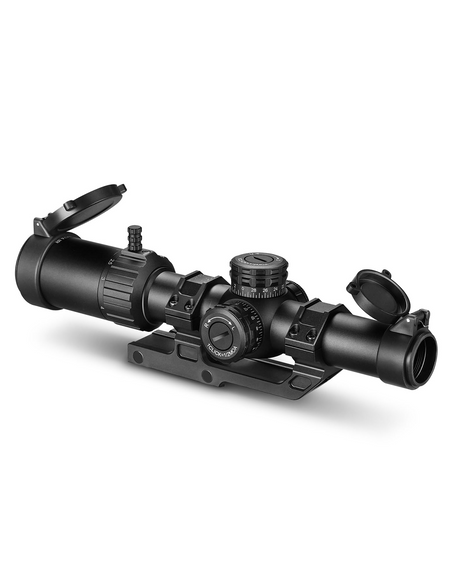
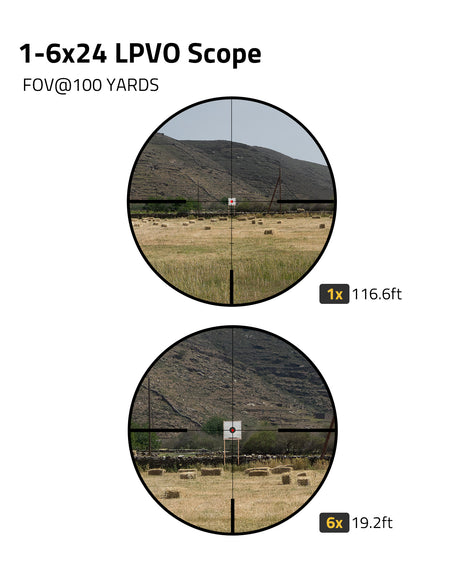
Für Schützen, die ein ausgewogenes Verhältnis zwischen Schnelligkeit und Präzision suchen, bietet das CVLIFE 1-6x24 LPVO ein robustes MOA-basiertes Verstellungssystem. Während Spitzenmarken wie Vortex oder Nightforce den Maßstab für hochwertige Optiken setzen, bietet CVLIFE einen zuverlässigen Einstieg in die Welt der LPVOs mit griffigen Türmen und klarer Optik.
Nutzerfeedback: "Ich habe beide Modelle mit im Grunde unterschiedlichen Absehen gekauft, um herauszufinden, welches mir besser gefällt. Es stellte sich heraus, dass ich beide liebe. Das Zielfernrohr ist klar - ich meine erstaunlich klar. Ich besitze andere LPVO-Zielfernrohre, für die ich viermal mehr bezahlt habe, und mit denen ich dieses hier vergleiche. Bisher übertrifft dieses Zielfernrohr meine Erwartungen bei Weitem. Ich bin sehr zufrieden und würde es jedem empfehlen, der ein hochwertiges, erschwingliches Zielfernrohr sucht, das seine Preisklasse WEIT übertrifft." - Carl truell, verifizierter Käufer.
Preis für CVLIFE prüfenF: Kann ich ein MOA-Zielfernrohr für das Schießen auf 1.000 Yards verwenden?
A: Ja. Viele Präzisionsschützen verwenden MOA. Stellen Sie jedoch sicher, dass Ihr Zielfernrohr über einen ausreichenden gesamten internen Höhenverstellbereich verfügt (typischerweise 60+ MOA), oder verwenden Sie eine um 20 MOA geneigte Montagebasis.
F: Ist 1/8 MOA besser als 1/4 MOA?
A: 1/8 MOA bietet mehr Präzision (nützlich für das Schießen vom Benchrest), erfordert jedoch deutlich mehr „Klicks“, um ein Ziel zu erreichen, was bei der Jagd oder beim dynamischen Schießen nachteilig sein kann.
F: Sollte mein Absehen zu meinen Türmen passen?
A: Im Idealfall ja. Dies wird als „Abstimmungssystem“ bezeichnet. Wenn Ihre Türme in MOA skaliert sind, können Sie mit einem MOA-Absehen Ihre Abweichung messen und ohne Umrechnung direkt korrigieren.
| Zu prüfendes Merkmal | Das Risiko | Die Expertenlösung |
|---|---|---|
| Konstanz der Verstellung | Ungenaue Einstellungen im Laufe der Zeit. | Führen Sie einen „Box-Test“ durch, um die Rückkehr der Türme auf Null zu überprüfen. |
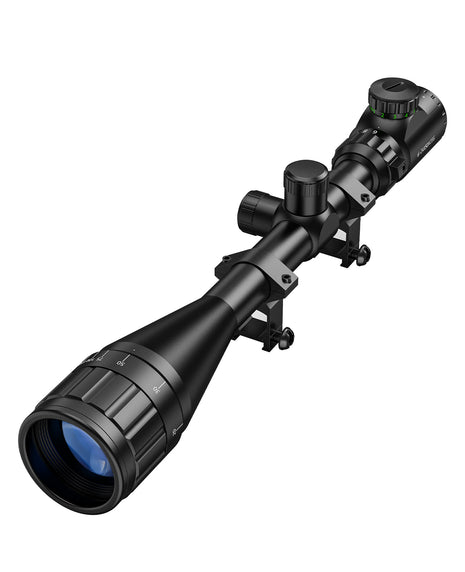
| Parallaxeneinstellung | Verlagerung des Treffpunkts (POI). | Wählen Sie Zielfernrohre mit seitlicher Parallaxeverstellung oder verstellbarem Objektiv. |
| Interner Verstellbereich | Der Verstellbereich für große Entfernungen reicht nicht aus. | Suchen Sie nach Tuben mit 30 mm oder 34 mm Durchmesser für einen größeren MOA-Bereich. |
$159.99 $141.99
$70.19


