
Featured collection
-
-
$159.99 $141.99
-
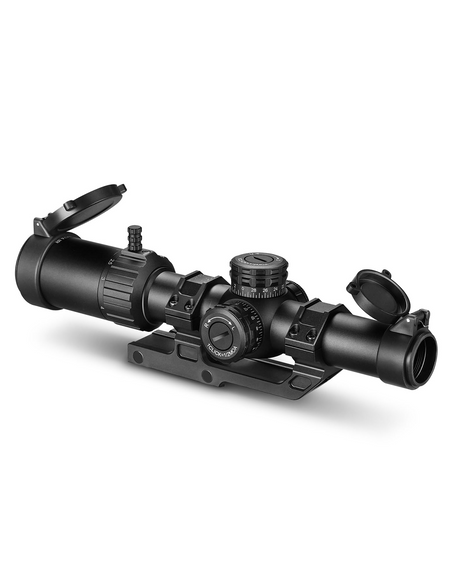
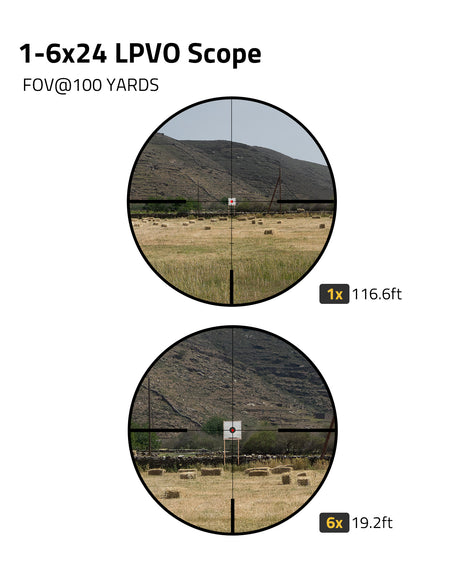
-
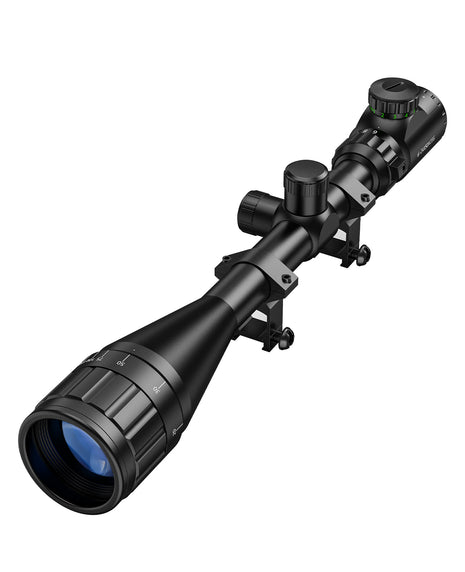
$70.19

You’ve just mounted a brand-new dot sight, excited for faster target acquisition. But when you look through the lens, the crisp red dot you expected turns into a starburst, comet trail, or blurry smudge. Frustrating, right? This phenomenon often indicates astigmatism—a common vision condition affecting up to 1 in 3 people. The good news: you absolutely can use a dot sight effectively. This guide blends clinical understanding, optical science, and gear strategies to help you shoot with clarity—and find the right setup, like the CVLIFE WildHawk Green Dot.
▸ Comprehensive Guide ◉ Vision & Optics
A dot sight (reflex sight or red dot sight) is a non-magnifying optic that projects an illuminated reticle onto a single focal plane. It allows unlimited eye relief, parallax-free design (modern units), and lightning-fast aiming—ideal for hunting, home defense, and competition. Key features include motion awake technology, adjustable brightness, and durable aircraft-grade aluminum housings. Unlike magnified scopes, dot sights keep both eyes open for situational awareness.
⦿ Core advantage: Unlimited eye relief + fast target reacquisition. But clarity depends on how your eyes perceive the LED-generated dot.
According to the Mayo Clinic, astigmatism is a refractive error caused by an irregular curvature of the cornea or lens. Instead of a single focal point, light scatters into multiple images. This optical distortion makes point light sources—like a red dot reticle—appear as streaks, halos, or double dots. It’s incredibly common, and many shooters don’t even realize they have mild astigmatism until they look through a red dot.
The issue isn’t the optic—it’s how your eye refracts light. The LED emitter inside a dot sight projects a precise dot, but when your cornea/lens has astigmatism, the dot stretches into a starburst, comma, or “cluster”. Simple test: look through the sight with your corrective glasses or ask a friend. If the dot sharpens for them, it’s your eyes, not the gear. Brightness often exaggerates the effect.
Short answer: Yes — the vast majority of shooters with astigmatism can use dot sights effectively with simple adjustments.
Long answer: Success depends on reticle design, brightness settings, corrective lenses, and even reticle color. Severe astigmatism may benefit from prism scopes or etched reticles, but modern dot sights (especially with multiple reticle options) offer excellent usability.
✓ Proven adjustments:
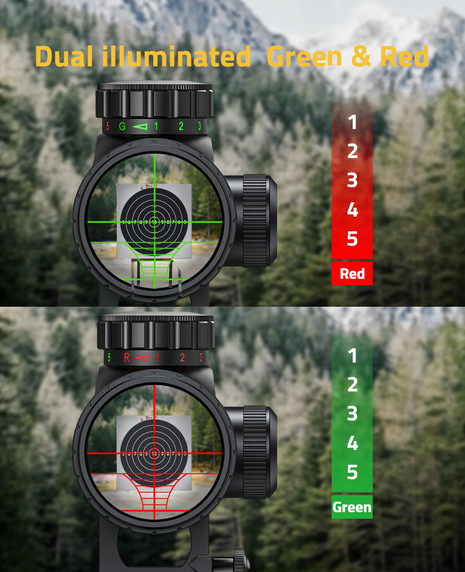
Many shooters report that green dots appear crisper. This is due to the eye’s photopic sensitivity curve—green light (555 nm) is perceived more efficiently by the retina’s cones, potentially reducing chromatic aberration and flare. In low-light conditions, green dots often provide better contrast without cranking brightness. However, results vary; for moderate astigmatism, green can be a game-changer.
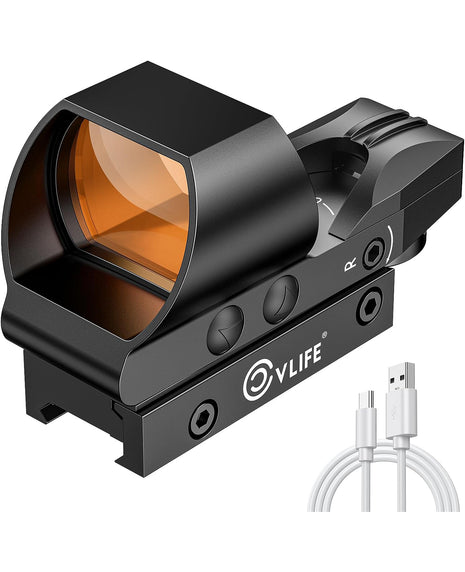
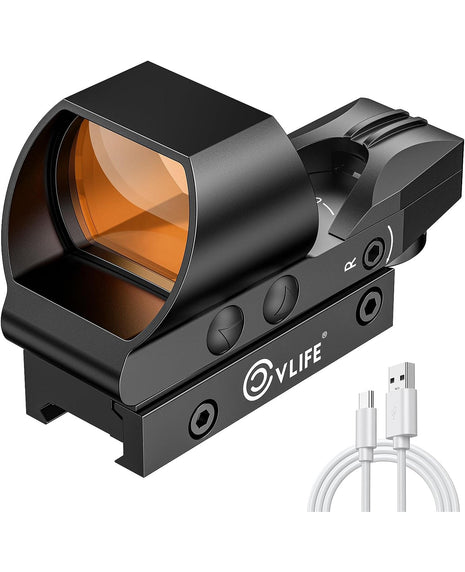
Designed with versatility and eye comfort in mind, the CVLIFE WildHawk features a 2 MOA green dot plus multiple reticle patterns (dot, circle, circle-dot). It’s built for shooters who need adaptability—especially valuable if you have astigmatism. With motion awake, 10 brightness settings, and robust aluminum housing, it delivers professional performance without breaking the bank.
⦿ Spring Upgrade季 — 20% off with code SC20. Free shipping over $29. 30-day returns policy.
| Feature | Dot Sight (Reflex) | Prism Scope |
|---|---|---|
| Clarity with astigmatism | Variable, depends on brightness & reticle | Usually clearer (etched reticle) |
| Weight | Light (~4–8 oz) | Heavier (8–16 oz) |
| Eye relief | Unlimited | Limited (2–4 inches) |
| Speed | Extremely fast | Moderate |
| Best use | Close-quarters, handguns, shotguns | Magnified precision, astigmatism-friendly |
While prism scopes guarantee clarity, many shooters prefer the speed and weight savings of dot sights. With proper settings and green dot tech, modern reflex sights are more astigmatism-friendly than ever.
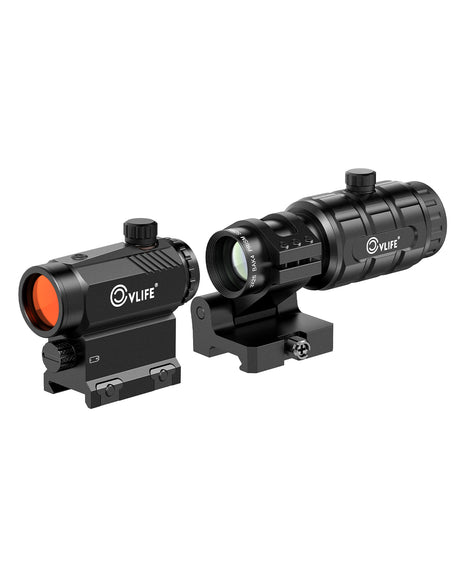
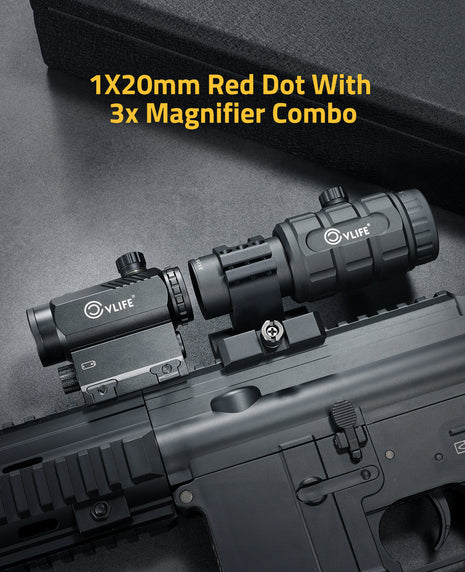
Adding a magnifier behind a dot sight can reduce perceived distortion because it focuses the reticle and shifts the focal plane—but it’s not a cure. Some users see a cleaner dot; others still notice bloom. The best approach is to first dial in brightness and reticle shape, then decide if a magnifier complements your shooting style.
Astigmatism doesn’t have to sideline you from using fast, versatile dot sights. With practical strategies—lower brightness, green illumination, and multiple reticle flexibility—you can achieve a crisp aiming solution. The CVLIFE WildHawk Green Dot embodies these features. Upgrade your gear with confidence this spring and experience the difference of an optic designed with adaptability in mind.
All product recommendations are based on user feedback and technical features. Individual results may vary depending on the degree of astigmatism.
$159.99 $141.99
$70.19


