
Featured collection
-
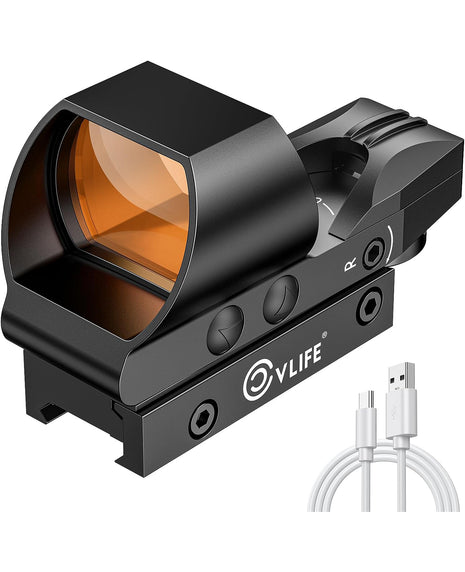
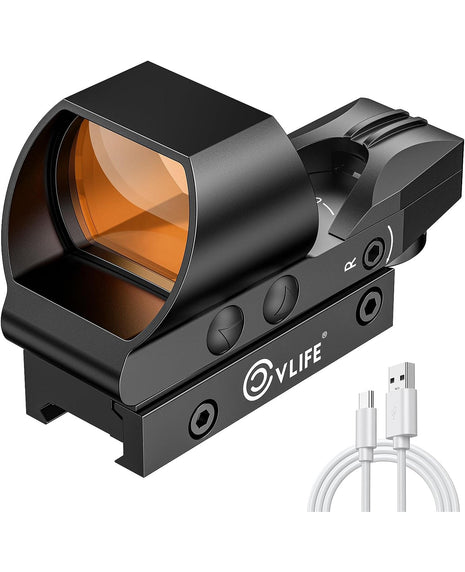
-
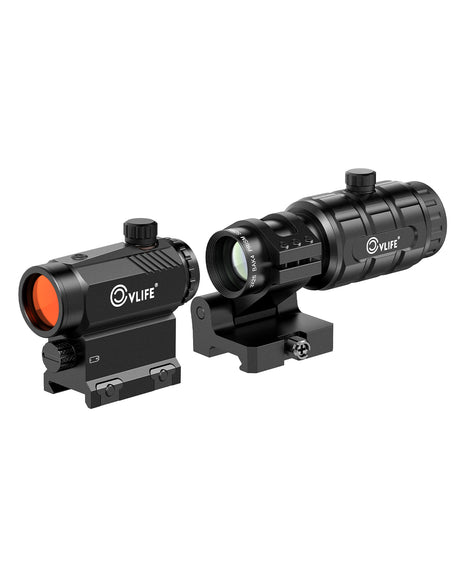
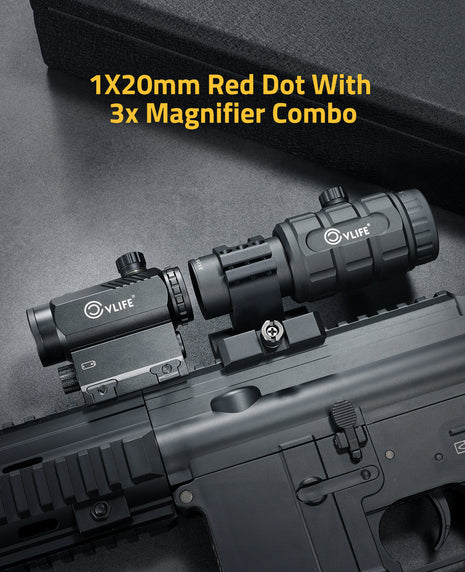
$159.99 $136.79
-
-
$59.99

Quando i proprietari di AR-15 riscontrano una precisione incostante, uno zero variabile o una distanza dall'occhio scomoda, spesso si tende a incolpare per prima cosa il mirino. In realtà, molti di questi problemi hanno origine altrove, in particolare nel supporto del mirino. La piattaforma AR-15 presenta sfide geometriche ed ergonomiche uniche. I ricevitori flat-top, i sistemi di rinculo in linea e le guide Picatinny estese richiedono soluzioni di montaggio progettate specificamente per questa architettura di fucile. Comprendere questi fondamenti è essenziale per ottenere prestazioni costanti dall'ottica.
A differenza dei tradizionali fucili bolt-action, gli AR-15 presentano un calcio in linea e castelli superiori flat-top. Questa configurazione porta spesso la testa del tiratore più indietro, rendendo le configurazioni con anelli standard inadeguate per un corretto arretramento dell’occhio.
Secondo le linee guida di Brownells sul montaggio delle ottiche, i fucili in stile AR traggono vantaggio da soluzioni di montaggio con offset in avanti, che mantengono il corretto posizionamento dell’ottica senza collegare l’attacco all’astina.
Gli attacchi cantilever per ottiche sono stati sviluppati specificamente per adattarsi alla geometria dell’AR-15. Estendendo l’ottica in avanti e rimanendo saldamente fissati al castello superiore, questi attacchi preservano l’allineamento e l’integrità strutturale.
La panoramica del montaggio di un’ottica della NRA sottolinea l’importanza di montare le ottiche interamente sul castello superiore per evitare variazioni dell’azzeramento causate dalla flessione dell’astina.
L’altezza sopra l’asse della canna indica la distanza verticale tra la linea centrale dell’ottica e l’asse dell’anima della canna del fucile. Sulle piattaforme AR-15, le altezze comuni degli attacchi vanno da circa 1,4" a 1,6".
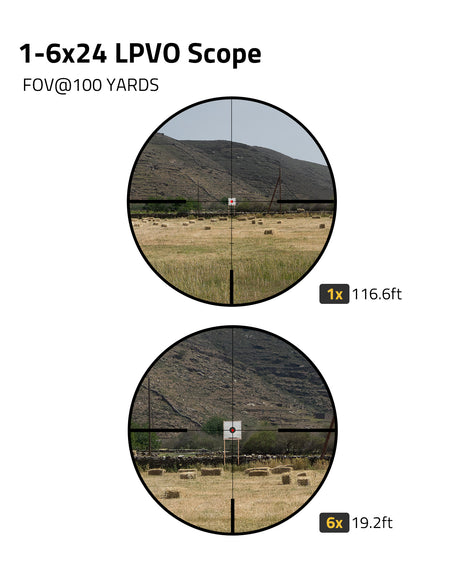
Un’altezza dell’ottica leggermente maggiore favorisce una posizione della testa più naturale e un’acquisizione del bersaglio più rapida, soprattutto con gli LPVO (ottiche variabili a bassa potenza).
L’interfaccia di un attacco con la guida Picatinny deve distribuire uniformemente la forza di serraggio. Una coppia di serraggio non uniforme o bulloni trasversali sottodimensionati possono causare microspostamenti che, nel tempo, compromettono il mantenimento dell’azzeramento.
La maggior parte dei supporti di qualità utilizza leghe di alluminio di grado aeronautico, come 6061 o 7075. Questi materiali bilanciano la riduzione del peso con una rigidità sufficiente a resistere a cicli di rinculo ripetuti.
Quando si sceglie un supporto, la compatibilità, la costanza e le tolleranze di fabbricazione contano più delle affermazioni di marketing.
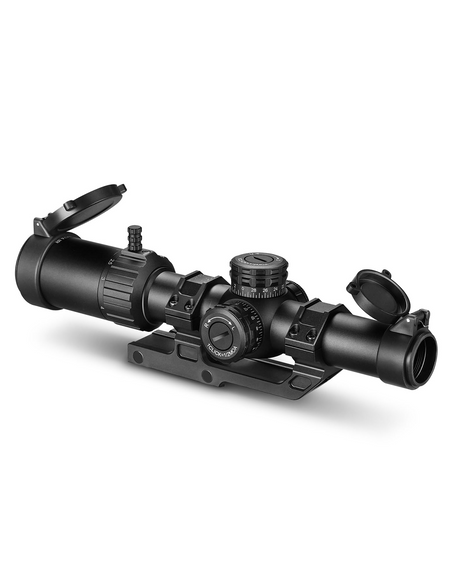
Progettato per le piattaforme AR-15, questo supporto a sbalzo monopezzo è compatibile con tubi per cannocchiale da 1 pollice, 30 mm e 34 mm, offrendo un offset in avanti e un aggancio stabile alla rotaia.
Feedback degli utenti:
“Bloccaggio solido sulla rotaia Picatinny e azzeramento costante dopo la reinstallazione.”

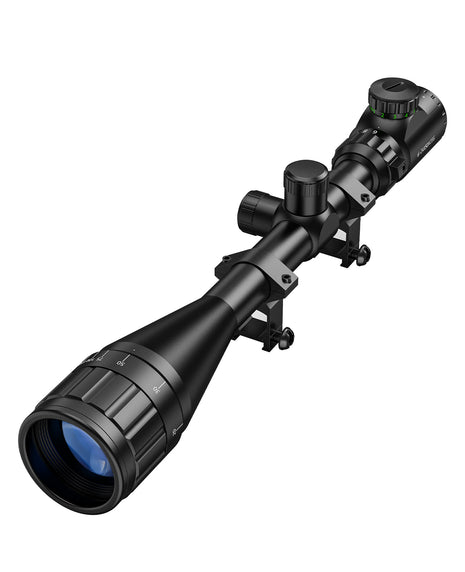
Per gli utenti che preferiscono configurazioni modulari, questi anelli lavorati con precisione offrono un serraggio sicuro e un allineamento sulle rotaie Picatinny quando installati correttamente sui castelli superiori AR-15.
“Lavorazione pulita e adattamento affidabile senza peso eccessivo.”

Approfitta del 40% DI SCONTO sugli accessori per ottiche durante il nostro evento festivo.
Usa il codice: 40XMAS
Acquista oraGli anelli standard possono funzionare in casi limitati, ma spesso non offrono un offset in avanti e un allineamento ergonomico sufficienti sulle piattaforme AR-15.
La maggior parte degli utenti di AR-15 preferisce supporti con un'altezza sull'asse della canna compresa tra 1.4" e 1.6", a seconda del tipo di ottica e della postura di tiro.
Gli handguard possono flettersi indipendentemente dal castello superiore, causando potenzialmente variazioni del punto d'impatto se il supporto collega entrambe le superfici.
$159.99 $136.79
$59.99


