🎯 Perché "Pensavo fosse azzerato" è un presupposto pericoloso
L'illusione dello zero: perché "sembra allineato" non significa "è azzerato"
Affidarsi esclusivamente all'allineamento visivo o a un collimatore laser è l'errore più comune prima dell'azzeramento. Un collimatore è uno strumento eccellente per "andare a bersaglio", facendoti risparmiare tempo e munizioni grazie a un allineamento iniziale approssimativo. Tuttavia, non sostituisce la verifica con il tiro reale. Come osservato in varie guide al tiro, il collimamento ti fornisce solo un punto di partenza. Il tuo effettivo Punto d'impatto (POI) è determinato da una complessa interazione tra la tua specifica arma da fuoco, le munizioni e il rapporto meccanico dell'ottica con la canna, nessuno dei quali può essere replicato perfettamente da un laser.
Variabili del mondo reale: i silenziosi responsabili della perdita dello zero
Anche se il tuo allineamento dell'anima è stato impeccabile, questi fattori possono invalidare il tuo azzeramento prima ancora che tu spari il primo colpo vero:
- Parallasse: Un concetto fondamentale e spesso frainteso. Sebbene molti punti rossi siano pubblicizzati come "privi di parallasse", il funzionamento realmente privo di parallasse si verifica spesso solo a una distanza specifica (solitamente 50-100 iarde). A distanze diverse, soprattutto a distanze molto ravvicinate, se il tuo occhio non è centrato, il punto può sembrare sul bersaglio mentre la canna è in realtà puntata altrove. È possibile riscontrare un errore di parallasse misurabile anche nei modelli che dichiarano di esserne privi.
- Stabilità del montaggio: Un supporto o una base con una coppia di serraggio insufficiente si sposteranno sotto il rinculo, rendendo impossibile mantenere uno zero costante. Il supporto è il collegamento fondamentale tra l'ottica e l'arma da fuoco.
- Variabilità delle munizioni: Proiettili di peso, velocità e marche diverse avranno punti d'impatto differenti. Azzerare con una determinata munizione non garantisce lo zero con un'altra.
- Errore del tiratore: Una posizione, un'impugnatura, un appoggio della guancia o una pressione sul grilletto non costanti durante il processo di azzeramento creeranno uno "zero" che funzionerà solo se ripeterai perfettamente quell'errore ogni volta.
🛠️ Come azzerare correttamente un punto rosso: la guida definitiva passo dopo passo
Questo è il processo che ti permetterà di ottenere uno zero solidissimo e affidabile.
Passaggio 1: Mettere in sicurezza le fondamenta - Montaggio
Tutto dipende da questo. Assicurati che il tuo punto rosso sia montato su una guida pulita e adatta (ad esempio, Picatinny). Usa un supporto di qualità e una chiave dinamometrica per fissarlo secondo le specifiche del produttore. Un errore comune è stringere troppo poco, causando uno spostamento sotto il rinculo. Verifica che l'ottica sia in bolla. Un mirino a punto rosso installato correttamente è il primo passaggio imprescindibile.
Passaggio 2: Scegli la distanza di azzeramento (in modo ragionato)
La distanza di azzeramento dovrebbe corrispondere al tuo uso principale. Non esiste una distanza «migliore» universale.
- 25 iarde/metri: Eccellente per gli scontri ravvicinati, la difesa domestica o le carabine in calibro da pistola. È tollerante agli errori e consente di risparmiare munizioni per l'azzeramento iniziale.
- 50 iarde/metri: Un eccellente azzeramento per uso generale con le carabine. Spesso offre una traiettoria relativamente piatta, consentendo di mirare al centro della massa da 0 a oltre 200 iarde con una correzione minima.
- 100 iarde/metri: Lo standard per il tiro di precisione con la carabina, la caccia o quando la precisione a lunga distanza è fondamentale. Richiede più tiri e regolazioni per essere ottenuto.
Consiglio dell'esperto: Per le piattaforme AR-15 in calibro 5.56 mm, un azzeramento a 50 iarde spesso corrisponde a un azzeramento a 200 iarde, creando un versatile «azzeramento da combattimento».
Passaggio 3: Spara la tua prima rosata - La verità viene a galla
Usa un appoggio stabile, come sacchetti di sabbia, un bipiede o un rest per tiro. L'obiettivo è eliminare quanto più possibile l'errore umano. Alla distanza scelta, mira a un punto di mira piccolo e chiaramente definito. Spara una rosata da 3 a 5 colpi. Non regolare il mirino tra un colpo e l'altro. Questa rosata mostra il tuo vero punto d'impatto (POI) medio rispetto al tuo punto di mira (POA).
Passaggio 4: Regola usando i MOA - Il linguaggio della precisione
È qui che la conoscenza sostituisce le supposizioni. I mirini a punto rosso si regolano in Minuti d'angolo (MOA).
- 1 MOA ≈ 1 pollice a 100 iarde. È una misura angolare, quindi varia in proporzione: 1 MOA ≈ 0,5 pollici a 50 iarde e ≈ 0,25 pollici a 25 iarde.
- Conosci il «valore del clic» del tuo mirino. I valori comuni sono 1/2 MOA o 1 MOA per clic.
-
Calcolo: Se il centro della tua rosata da 5 colpi si trova 4 pollici a sinistra e 2 pollici in alto a 50 iarde, e il tuo mirino ha clic da 1/2 MOA:
➜ Deriva: 4 pollici / 0,5 pollici (per MOA a 50 iarde) = correzione di 8 MOA. 8 MOA / (0,5 MOA per clic) = 16 clic verso DESTRA.
➜ Elevazione: 2 pollici / 0,5 pollici = 4 MOA. 4 MOA / (0,5 MOA per clic) = 8 clic verso il BASSO.
Passaggio 5: Conferma e perfeziona
Dopo aver apportato le regolazioni, spara un'altra rosata da 3-5 colpi. Il centro dovrebbe trovarsi ora sul punto di mira o molto vicino a esso. In caso contrario, apporta regolazioni più precise. L'obiettivo è ottenere una rosata stretta e uniforme, centrata nel punto verso cui miri. La pazienza è fondamentale; evita di «inseguire il proiettile» regolando eccessivamente il mirino dopo ogni colpo.
Passaggio 6: Convalida del tuo azzeramento (il passaggio che la maggior parte delle persone salta)
Un azzeramento corretto viene convalidato in condizioni diverse.
- Controllo della distanza secondaria: Se hai azzerato a 25 iarde, spara una rosata a 50 o 100 iarde per verificare in pratica come funzionano le tue correzioni di mira sopra o sotto il bersaglio.
- Controllo della posizione di tiro: spara un gruppo dalle tue posizioni di tiro abituali - in piedi, in ginocchio, con appoggio. Il tuo azzeramento rimane valido o hai creato un azzeramento valido solo dal banco?
- Controllo delle munizioni: se usi caricamenti diversi, annota lo spostamento del punto d'impatto rispetto al caricamento usato per l'azzeramento.
❌ Errori comuni nell'azzeramento e come evitarli
- Errore 1: confondere il puntamento dell'anima con l'azzeramento. Soluzione: verifica sempre con il tiro a fuoco.
- Errore 2: regolare dopo ogni singolo colpo. Soluzione: spara gruppi di almeno 3 colpi per individuare il vero punto medio d'impatto.
- Errore 3: usare una piattaforma di tiro instabile. Soluzione: usa sacchetti di sabbia, un appoggio o un bipiede per isolare le prestazioni del fucile dalle tue.
- Errore 4: ignorare la parallasse a distanza ravvicinata. Soluzione: per un azzeramento più preciso, fai uno sforzo consapevole per centrare l'occhio dietro il dispositivo ottico. Tieni presente che i colpi a distanza estremamente ravvicinata (entro 10-15 iarde) potrebbero avere un impatto diverso.
- Errore 5: non ricontrollare mai l'azzeramento. Soluzione: controlla periodicamente l'azzeramento, soprattutto dopo aver trasportato l'arma, cambiato le batterie o subito un impatto significativo.
🔭 Mirini a punto rosso CVLIFE: progettati per un azzeramento affidabile
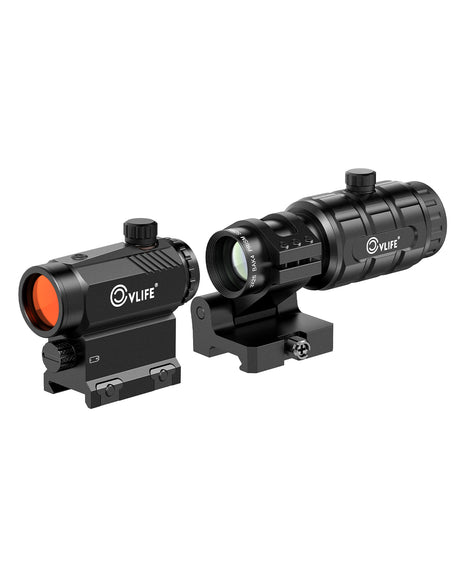
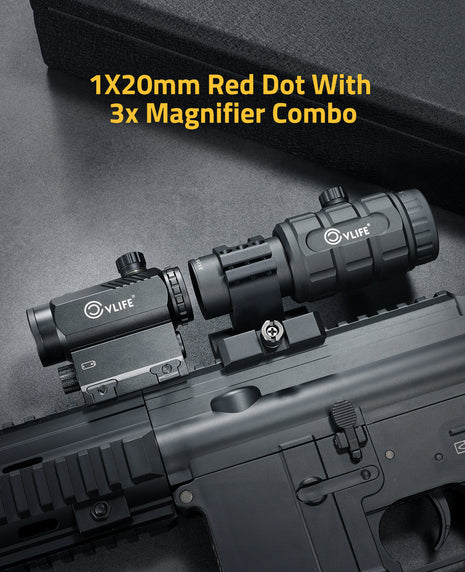
Un azzeramento affidabile inizia con un dispositivo ottico affidabile. I mirini a punto rosso CVLIFE sono progettati con le caratteristiche che contano per ottenere un azzeramento preciso, durevole e ripetibile.
Mirino a punto rosso FoxSpook 2MOA 1x25mm

Ideale per il tiro di precisione, quando è essenziale un punto di mira fine. Il punto da 2 MOA consente di posizionare i colpi con precisione a distanza, rimanendo rapido da usare a distanza ravvicinata. Dispone di più impostazioni di luminosità per qualsiasi condizione di luce e di una struttura durevole e impermeabile per mantenere l'azzeramento in ambienti difficili.
Caratteristica principale: punto ultra-fine da 2 MOA per la precisione
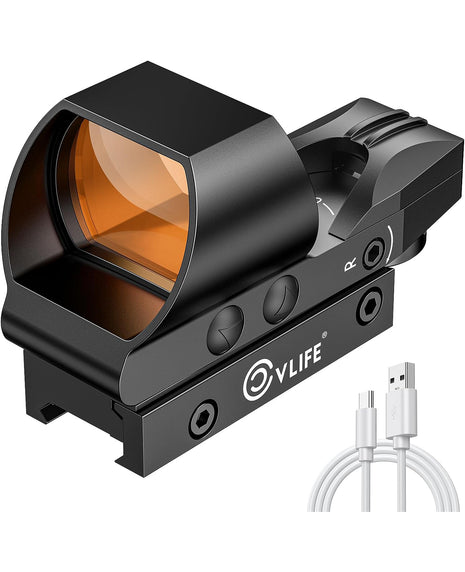
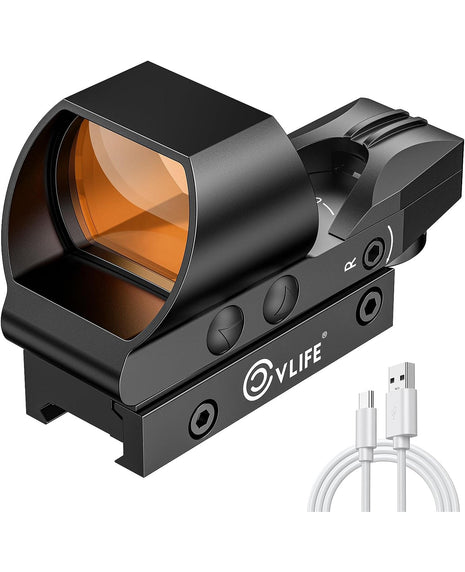
Mirino a punto rosso EagleFeather con reticoli multipli

Massimizza la versatilità con 4 diversi schemi di reticolo (punto, cerchio, cerchio-punto). Questo mirino è perfetto per il tiro dinamico, la difesa domestica o la caccia, quando potresti aver bisogno di un reticolo diverso per scenari diversi, mantenendo al contempo un azzeramento stabile.
Caratteristica principale: flessibilità multi-reticolo
Offerta a tempo limitato: usa il codice 35CC al checkout per ottenere il 35% di sconto su tutto il sito. Questa offerta esclusiva a livello globale termina presto!
❓ Domande frequenti sull'azzeramento del punto rosso
Dare per scontato che un allineamento approssimativo (come quello ottenuto con un collimatore laser) equivalga a un vero azzeramento. Questo significa saltare il passaggio fondamentale della conferma con tiri veri, che tiene conto del comportamento reale della tua arma, delle tue munizioni e della tua ottica. Conferma sempre con gruppi di colpi.
Sì, in una certa misura. "Senza parallasse" significa in genere che il parallasse è ridotto al minimo a una distanza di progettazione specifica (ad esempio, 50 o 100 iarde). A distanze molto ravvicinate (inferiori a 15 iarde), l'errore di parallasse può essere più marcato. Per un azzeramento il più accurato possibile, cerca di centrare costantemente l'occhio dietro l'ottica.
È buona pratica controllare il proprio azzeramento:
- Quando installi per la prima volta l'ottica.
- Dopo qualsiasi impatto significativo (caduta dell'arma, forte rinculo dovuto a un nuovo calibro).
- Periodicamente, in base all'utilizzo (ad esempio, ogni 500-1000 colpi o all'inizio di una nuova stagione di caccia o di tiro).
- Se cambi il tipo di munizioni.
Assolutamente. Un azzeramento a 25 iarde è molto pratico e può essere eseguito al chiuso. Presta attenzione al parallasse a distanze molto brevi (come 10 iarde). Per un fucile che intendi utilizzare a distanze maggiori, è altamente consigliato verificare successivamente l'azzeramento a 25 iarde a 50 o 100 iarde, per comprendere la traiettoria del proiettile.
🧰 Strumenti essenziali per un azzeramento senza difficoltà
- Supporto di tiro stabile: sacchetti di sabbia, un bipiede o un supporto a slitta. È fondamentale per eliminare l'errore umano.
- Bersagli ben visibili: usa bersagli con un punto di mira fine e ad alto contrasto e una griglia per misurare facilmente la deviazione del gruppo.
- Cannocchiale da osservazione o binocolo: per vedere i fori dei colpi senza dover scendere lungo la linea di tiro ogni volta.
- Strumento di regolazione: la chiave esagonale, il cacciavite o la moneta della misura corretta per le torrette dell'ottica.
- Collimatore laser (facoltativo): un ottimo strumento per risparmiare tempo e arrivare inizialmente sul bersaglio.
- Blocco note e penna: annota le regolazioni, le munizioni utilizzate e le dimensioni dei gruppi.
✅ Il punto chiave: fidati del processo, non delle supposizioni
Azzerare correttamente un mirino a punto rosso è un processo sistematico che sostituisce le supposizioni con risultati ripetibili. Richiede pazienza, una piattaforma stabile e una conoscenza dei MOA. La ricompensa è una sicurezza incrollabile nella tua attrezzatura. Quando il punto è sul bersaglio, puoi essere certo che lo sarà anche il tuo colpo. Non limitarti a pensare che il tuo punto rosso sia azzerato: devi saperlo. Dedica il tempo necessario a un azzeramento corretto: la tua precisione al poligono, sul campo o in una situazione difensiva dipende da questo.
Pronto a equipaggiarti con un'ottica all'altezza di questa sicurezza?